
Collapsed ceiling or floor? We make it safe
Yes, call us at any hour if a ceiling has come down or a floor has given way, and we'll tell you honestly when we can be there. Get everyone out of the room first. We prop what's left, take down what's hanging, board over holes, and bring in a structural engineer where joists have failed.

- 24 hours, 7 days
- Nights, weekends and bank holidays. Call or WhatsApp 07494 000065
- Safety first
- People out of the room, water off, electrics off if you can safely reach them
- On the van
- Adjustable steel props, timber planks and battens, 18mm ply and OSB sheets
- Engineer where structural
- Broken or rotten joists looked at by a structural engineer before they're propped
Do this before anything else
A ceiling that has dropped once can drop again. Get people safe, then deal with the house.
- Get everyone out of the room, and out from under any part of the ceiling that's sagging or bulging
- Turn the water off at the stopcock if a leak is the cause
- Switch the electricity off at the consumer unit, but only if you can reach it safely and without standing in water
- Keep away from any exposed wiring. Treat it as live
- If you smell gas, don't touch switches, open windows if you safely can, leave and ring 0800 111 999
- Don't sweep or hoover the debris if the ceiling had an old textured coating. Leave it until it's checked
- Take photos of the room, the ceiling and the debris before anything is moved
- Keep off a floor that has dropped, and don't stand on the floor above a collapsed ceiling
Why ceilings and floors give way, and what we do on the night
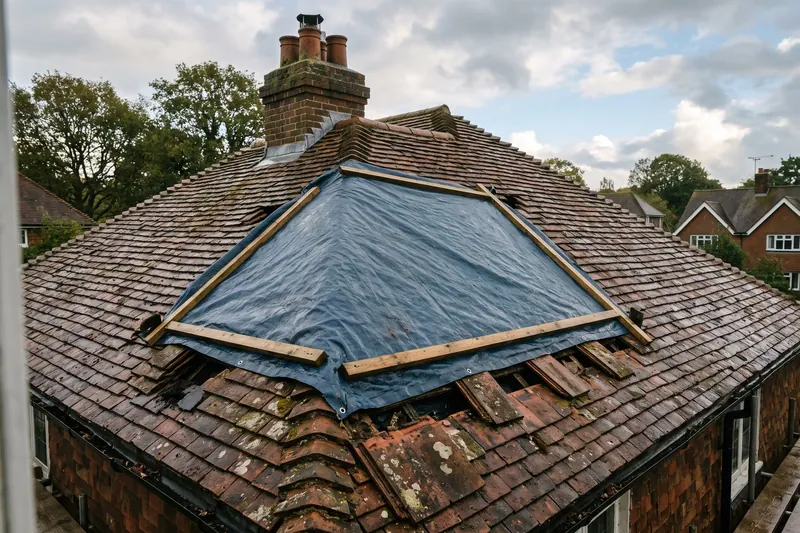
Most ceilings that come down have been soaked. A bath overflows, a pipe joint lets go in the loft, or a storm opens the roof, and the plasterboard soaks up water until it sags and breaks off the screws. Old lath and plaster ceilings fail differently. The plaster is held on by little nibs pushed through gaps in the timber laths, and after a hundred years of doors slamming and loft traffic those nibs snap, so a whole section can drop without warning.
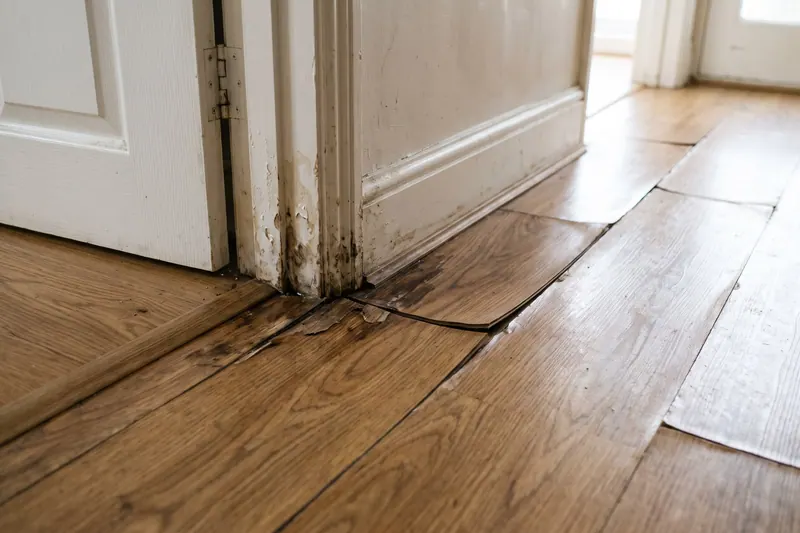
Floors are a different job. A floor that drops usually means a joist has failed: rotted at the end where it sits in a damp wall, cracked where someone notched it too deep for a pipe, or soaked for years under a leaking shower. That's structural, and it gets an engineer's view before anyone props it.
On the night, we make it safe and stop it getting worse. Loose ceiling that's still hanging gets brought down under control, or pinned back to the joists with battens. What's left gets held up with adjustable steel props and a timber plank across the joists, the props standing on boards so they don't punch through the floor. A hole in a floor is covered with 18mm ply screwed to sound joists either side, or fenced off if it can't be bridged safely. And if the cause is a leak or a storm-damaged roof, we help get the water stopped first, because there's no point making a ceiling safe while it's still filling up.
What making a collapsed ceiling or floor safe involves
Propping what's left
Steel props and a plank across the joists, on boards or sole plates, so the rest of the ceiling stays where it is.
Taking down what's hanging
Loose plasterboard or plaster brought down under control, or held back to the joists, so nothing drops on someone later.
Boarding holes in floors
18mm ply across a hole, fixed to sound joists either side, or the area fenced off until the engineer has seen it.
Finding the cause
The leak traced as far as we can see it, the loft checked, and a storm-damaged roof covered if that's where the water came in.
Photos and an itemised invoice
Everything photographed before and after, with each part of the make-safe listed for your insurer.
The permanent repair
Joists sistered or replaced, new plasterboard fixed ready for skimming, and floors relaid on sound timber.
From the ceiling coming down to the room back in use
Make the room safe
You
Everyone out, water off, electrics off if it's safe to reach the consumer unit. Then call or WhatsApp 07494 000065.
When we can come
Our team
We tell you honestly on the phone when we can be there, and what to do until then.
Prop and board
Our team
Hanging material down, the rest propped, holes boarded or fenced off, photos taken.
Structural advice
Your engineer
Where joists have broken or rotted, a structural engineer says how to support them and how to repair them.
The claim
Your insurer
Send your insurer our photos and itemised invoice. They may send someone to look before agreeing the repair, so keep the debris until then.
Repair
Our team
Joists repaired, ceilings boarded and floors relaid once the timber is dry, ready for the plasterer and decorator.
Repairing the joists, not just the plaster
Boarding over a collapsed ceiling is the easy part. What matters is what it's screwed to. If the joists above have sagged, been notched to bits or soaked through, new plasterboard will crack along the same line within a year. So before we board, we check the joists across the whole ceiling, not just over the hole, and fix what's wrong: a full-length sister bolted alongside a cracked joist, a new joist on hangers where the end has rotted, and noggins put back where they've been cut out.
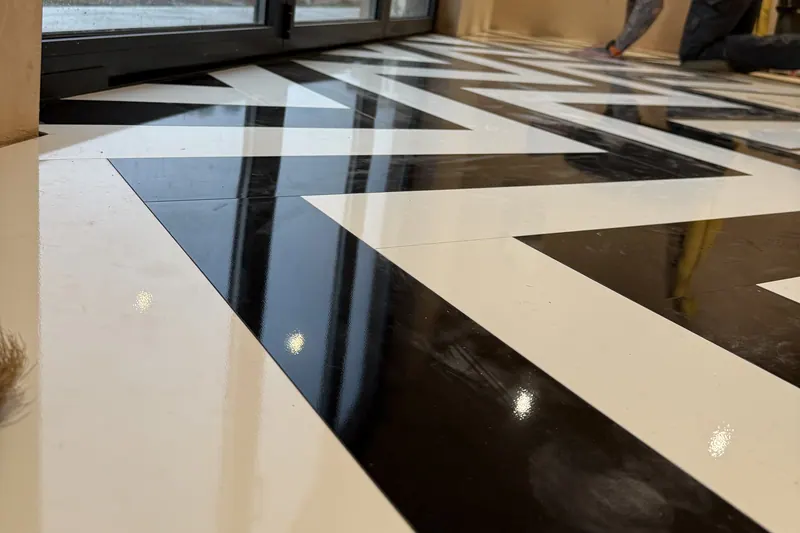
Floors get the same treatment from underneath. Rotten joist ends get cut back to sound timber and supported, and the cause of the damp gets fixed. Then the floor goes back down, in boards or sheet, to match what you had. Our flooring page covers the finished floor that goes on top.

Safety rules that apply when a ceiling or floor comes down
Water and electrics are the first danger, so switch off only if you can do it safely, and leave the rest to a registered electrician. Old textured ceilings can contain asbestos, which is why the debris is left alone until it's checked. And where a repair changes how the structure carries its load, it goes through Building Control.
| Rule | What it means for you | Source |
|---|---|---|
| Electrical Safety First says to switch off the electricity at the consumer unit only if it's safe to do so, and to keep away from exposed wiring as it may still be live. | If the consumer unit is in the wet room or you'd be standing in water, leave it. | Electrical Safety First: flooding advice |
| If there's any sign of water inside the consumer unit, get advice from a registered electrician, and don't use mains appliances until one says it's safe. | We make the ceiling safe. An electrician makes the wiring safe before the power goes back on. | Electrical Safety First: flooding advice |
| The HSE lists textured coatings, including those sold as Artex, and ceiling tiles among the materials where asbestos is found. Most removal of asbestos insulating board needs a licensed contractor. | On an older ceiling with a textured finish or board tiles, the debris gets tested before it's cleared. | HSE: where asbestos is found |
| If you smell gas, the National Gas Emergency Service number is 0800 111 999. Don't use electrical switches, and don't go into a cellar. | A collapse that has damaged a gas pipe is a call to them before it's a call to us. | SGN: what to do if you smell gas |
| Work that would leave a building complying less well with the structural requirements in Part A is a material alteration, and counts as building work. | A repair that changes how a floor is carried, like a new beam or bigger joists, goes to Building Control. | Building Regulations 2010, regulation 3 |
Who signs it off
- We prop, board and make safe, then repair the joists, ceiling and floor.
- A structural engineer, where joists have failed.
- A registered electrician, if water has reached the wiring.
- An asbestos surveyor or licensed contractor, if an old ceiling is suspect.
Checked November 2026 against Electrical Safety First, the HSE, SGN and the Building Regulations 2010
Quick fixes for fallen ceilings, and what we do instead
- The shortcut
New plasterboard screwed straight onto joists that are still wet
What we do insteadJoists dried and checked first, so the new board doesn't crack or pop its screws
- The shortcut
Patching the hole in a lath and plaster ceiling and leaving the rest
What we do insteadThe whole ceiling checked for loose plaster, because the rest is often the same age and going the same way
- The shortcut
A prop stood on a floor that's already sagging
What we do insteadProps on boards over sound joists, or down to the floor below where the engineer says so
- The shortcut
A broken joist bridged with a short offcut
What we do insteadA full-length sister or a new joist, to the engineer's advice where it's structural
Ceiling down or a floor given way? Get everyone clear, then call or WhatsApp 07494 000065 and we'll tell you honestly when we can come.
Call 07494 000065, 24/7Questions people ask us about collapsed ceilings and floors
Something else? Call or WhatsApp 07494 000065.
My ceiling is bulging with water. Is it going to come down?
It might, so treat it as if it will. Keep everyone out from under it, turn the water off, switch the electrics off if you can safely reach the consumer unit, and put buckets and old towels down. Then ring us. Plasterboard that has been holding water for a while usually has to come down and be replaced anyway.
Will my insurance cover a collapsed ceiling?
Often, if a sudden leak or a storm caused it, but check your policy. Ceilings that come down from age, like old lath and plaster losing its grip, may be treated as wear and tear. Tell your insurer early, keep our photos and itemised invoice, and don't throw away the debris until they've had a chance to see it.
Our old ceiling fell down with no leak. Why?
Lath and plaster ceilings are held up by plaster squeezed between timber laths. Over decades the plaster nibs break, and a section can let go on its own, often after loft work, a heavy door or nearby building work. If one part has gone, the rest of that ceiling is often the same. We'll check it all and tell you honestly whether it can be pinned back or needs replacing.
Is a floor that has dropped a structural problem?
Usually, yes. A floor drops because something under it has failed: a rotten joist end, a cracked or over-notched joist, or a sleeper wall underneath. We'll board or fence it off so nobody steps in, and bring in a structural engineer to say how it should be supported and repaired. Then we do the repair.
Do you do the plastering as well?
We do the structure and the boarding: joists, noggins and new plasterboard, fixed and taped ready to skim. A plasterer does the skim coat and the decorator follows. On an insurance job we'll set out which part of the invoice is ours so the claim is clear.
Related emergency work, and the permanent floor repair


Has a ceiling or floor given way?
Get everyone safe first. Then call or WhatsApp 07494 000065 at any hour. We'll tell you honestly when we can get there, prop and board it, bring in an engineer where it's structural, and come back to repair it properly.
Useful to send
- Photos of the ceiling or floor, and the room
- What you think caused it, if you know
- Your postcode, and whether the water and power are off